
Introduction
When it comes to upgrading your car's wheels or replacing damaged ones, choosing between alloy and steel rims is a crucial decision that affects not only your car's appearance but also its performance, fuel efficiency, safety, and ride quality.
Both types of rims have their own sets of advantages and disadvantages depending on your budget, driving style, and climate. In this guide, we’ll compare alloy and steel rims in detail to help you make the best choice for your vehicle.
What Are Rims? A Quick Refresher
Rims, often called wheels (though technically just the outer edge), are the metal structures that hold the tyres. They are bolted onto the car’s hub and serve as the mounting point for tyres, influencing everything from acceleration and braking to fuel consumption and ride comfort.
The two most common rim materials are:
- Steel
- Alloy (usually aluminum or aluminum-magnesium blends)
Understanding the characteristics of each will help you decide which suits your needs best.
Steel Rims: Pros, Cons, and Use Cases
Steel rims have been used on vehicles for decades and are known for their durability and affordability.
✅ Pros of Steel Rims
- Strong and Durable: Excellent for rough terrain, potholes, and winter driving.
- Affordable: Cheaper to manufacture and replace.
- Easy to Repair: Can be hammered back into shape if bent.
- Perfect for Winter: Their tough build resists salt and slush corrosion better when painted properly.
❌ Cons of Steel Rims
- Heavier: Reduces acceleration and fuel efficiency.
- Limited Designs: Aesthetically plain, usually painted black or silver.
- Rust-Prone (if scratched): Requires painting or coating to prevent corrosion.
- Not Ideal for Performance Driving: Heavier mass reduces agility and ride comfort.
✅ Ideal Use Cases for Steel Rims
- Budget-conscious drivers
- Winter tyre setups
- Rural or rough-road driving
- Work vehicles and heavy-duty use
Alloy Rims: Pros, Cons, and Use Cases
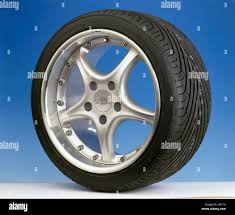
Alloy rims are made from aluminum or a combination of aluminum and magnesium. They're the most popular choice for modern cars due to their balance of style and performance.
✅ Pros of Alloy Rims
- Lighter Weight: Improves fuel economy, acceleration, and braking.
- Stylish Designs: Available in multiple colors, finishes, and intricate patterns.
- Better Heat Dissipation: Reduces brake fade and enhances performance.
- Rust-Resistant: Aluminum doesn’t rust, making them long-lasting.
❌ Cons of Alloy Rims
- More Expensive: Costs more than steel to buy and repair.
- Easier to Crack: May break instead of bend when impacted.
- Repair Is Tricky: Cracks often require replacement rather than repair.
✅ Ideal Use Cases for Alloy Rims
- City and highway driving
- Sporty or performance vehicles
- Drivers who value appearance and handling
- Summer or year-round use in mild climates
Aesthetic vs. Functional Considerations
Let’s face it—wheels are one of the first things people notice on a car. But beauty sometimes comes at a cost.
| Feature | Steel Rims | Alloy Rims |
|---|---|---|
| Design Options | Basic, utilitarian | Stylish, customizable |
| Appearance | Covered by hubcaps or exposed | Polished, painted, or chrome |
| Perceived Value | Basic | Premium, upscale |
If you want to make your car stand out, alloy rims are the better choice. But if you prioritize practicality and don't mind a simple look, steel rims do the job just fine.
Rim Size and Performance Impact
The size of your rims can affect multiple aspects of your driving experience:
- Bigger Rims (17"+):
- Improved cornering and sporty look
- Harsher ride on bumpy roads
- More expensive tyres required
- Smaller Rims (15"–16"):
- Smoother ride
- More affordable tyres
- Less precise handling
Note: Bigger alloy rims are often paired with low-profile tyres, which can reduce ride comfort but improve road feedback.
Cost Comparison and Value Over Time
Let’s break down the total cost of ownership:
| Expense | Steel Rims | Alloy Rims |
|---|---|---|
| Purchase Price | Low | High |
| Tyre Mounting | Easier | Slightly more expensive |
| Maintenance | Minimal | May require polishing/cleaning |
| Repairs | Cheaper, easier | Costly or non-repairable |
| Resale Value | Low | Higher resale potential |
While alloy rims cost more upfront, they may retain more value if maintained well—especially if you're looking to sell your car or rims later.
Ideal Use Cases: Winter, Racing, City Driving
Different conditions call for different rim materials:
❄️ Winter Driving
- Steel rims are superior due to their strength and affordability.
- You can mount your winter tyres and store them without worry.
🏁 Performance Driving
- Alloy rims shine here with reduced weight and better heat dissipation.
- Their structure supports performance tyres for improved grip.
🏙️ Urban Driving
- Alloy rims help with fuel economy in stop-start traffic.
- Steel rims might be better in pothole-heavy cities.
Upgrading Your Rims: What to Know
Many car owners consider upgrading their rims for either performance or style. Here are key things to remember:
1. Bolt Pattern Compatibility
- Your new rims must match your car's bolt pattern.
2. Offset and Backspacing
- This determines how far the rim sits from the wheel hub.
- Wrong offset can lead to tyre rubbing or poor handling.
3. Tyre Fitment
- Make sure the new rims match your tyre size or be ready to buy new tyres.
4. Legal Compliance
- In some areas, large aftermarket rims must be approved by transport authorities.
5. TPMS Compatibility
- If your car uses a Tyre Pressure Monitoring System, the rims must support it.
Are Custom Rims Worth It?
Custom rims can give your vehicle a completely unique look and may offer weight or size benefits. However, consider:
✅ Pros
- Personalization
- Potential for better handling or lighter weight
- Higher resale appeal
❌ Cons
- Costly to purchase and maintain
- May void warranty or insurance if not certified
- Risk of theft increases
If you’re passionate about aesthetics or performance, custom rims may be worth it—just be prepared for the upkeep.
How to Care for Your Rims
Proper maintenance extends rim life and preserves appearance.
Tips:
- Clean Regularly: Use pH-balanced cleaners, especially for alloy rims.
- Inspect for Damage: Look for cracks, bends, or corrosion.
- Avoid Harsh Chemicals: Especially on painted or chrome finishes.
- Use Rim Protectors: These guard against curb rash.
- Store Off-Season Sets Properly: Keep away from moisture and sunlight.
Conclusion
Choosing between alloy and steel rims is more than just a style choice—it’s a decision that affects your car’s performance, safety, cost, and aesthetics.
Choose Steel Rims If:
- You're on a tight budget
- You need tough rims for winter or off-road use
- You prioritize function over form
Choose Alloy Rims If:
- You want better performance and fuel efficiency
- You care about how your car looks
- You drive mainly in city or highway conditions
No matter which type you choose, proper installation, tyre pairing, and maintenance are key to getting the most value and performance out of your rims.